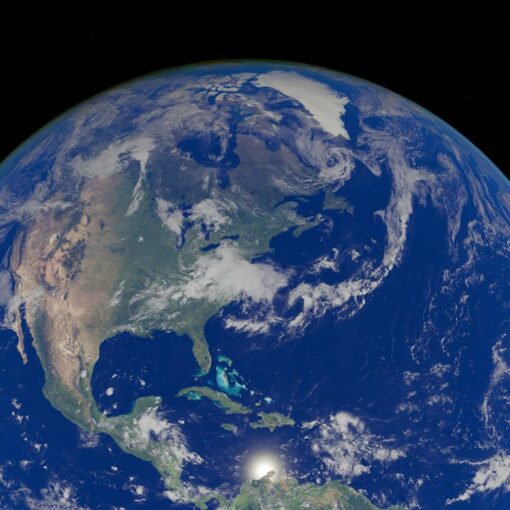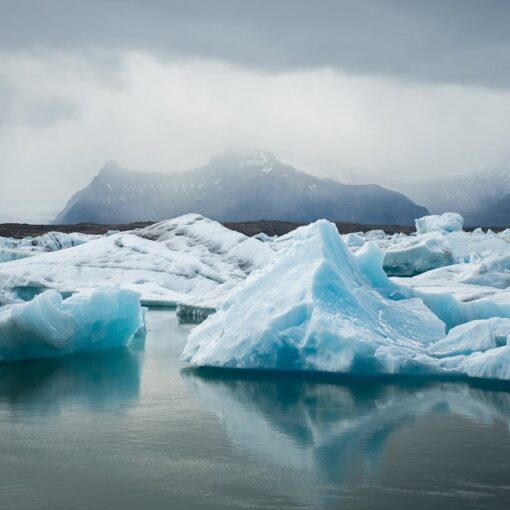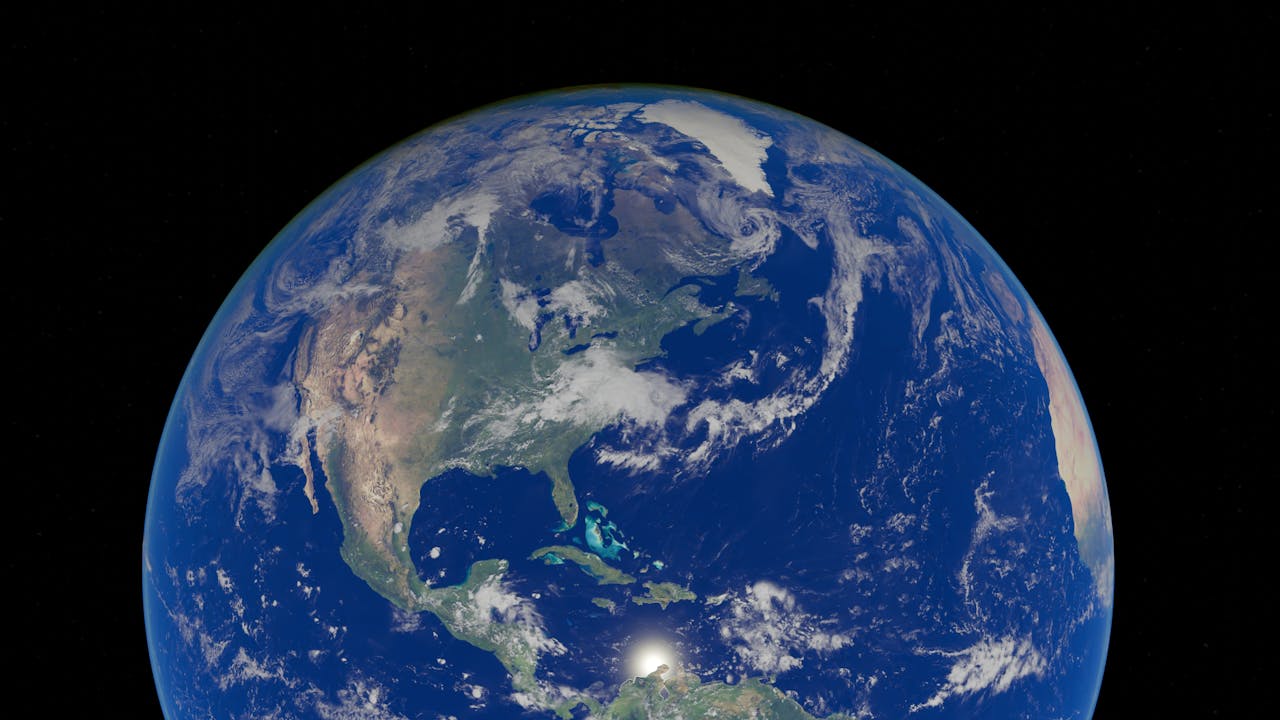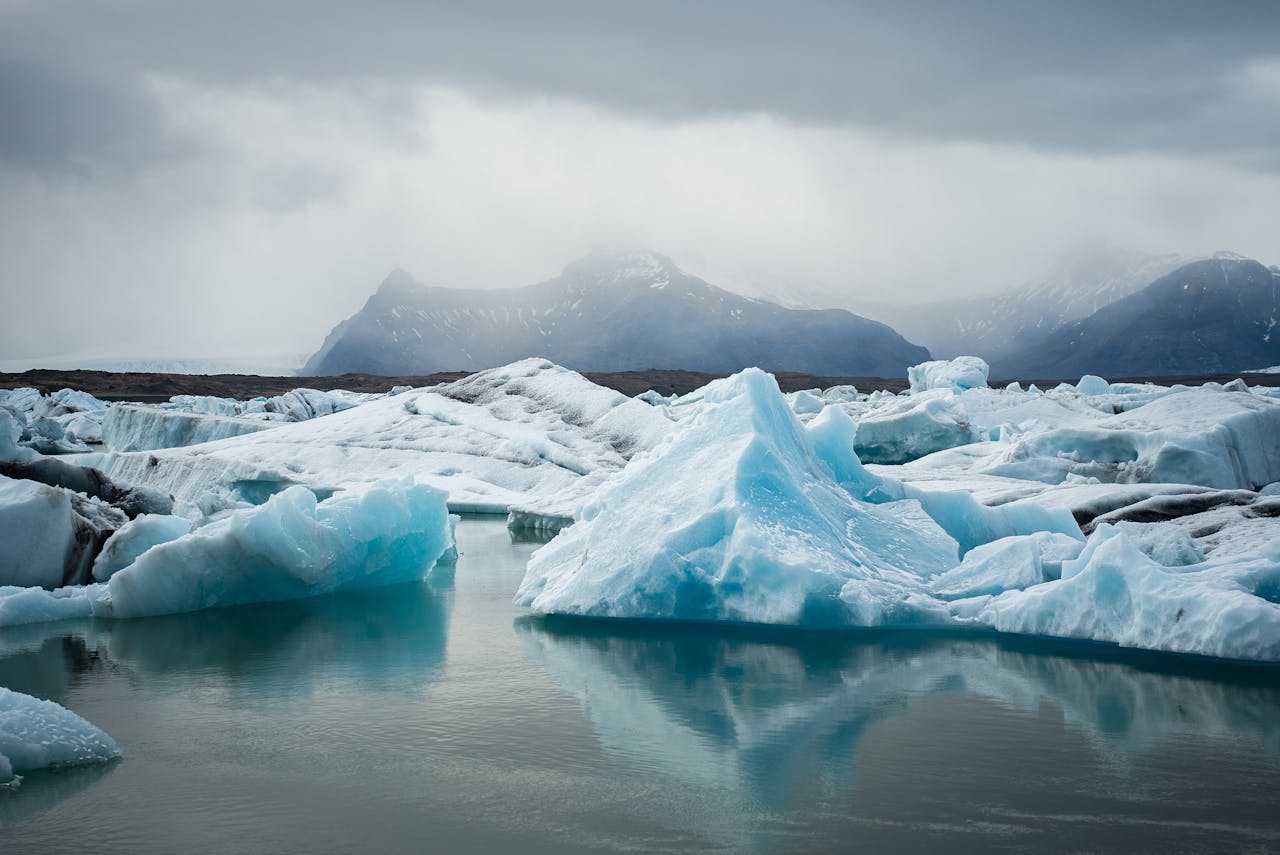
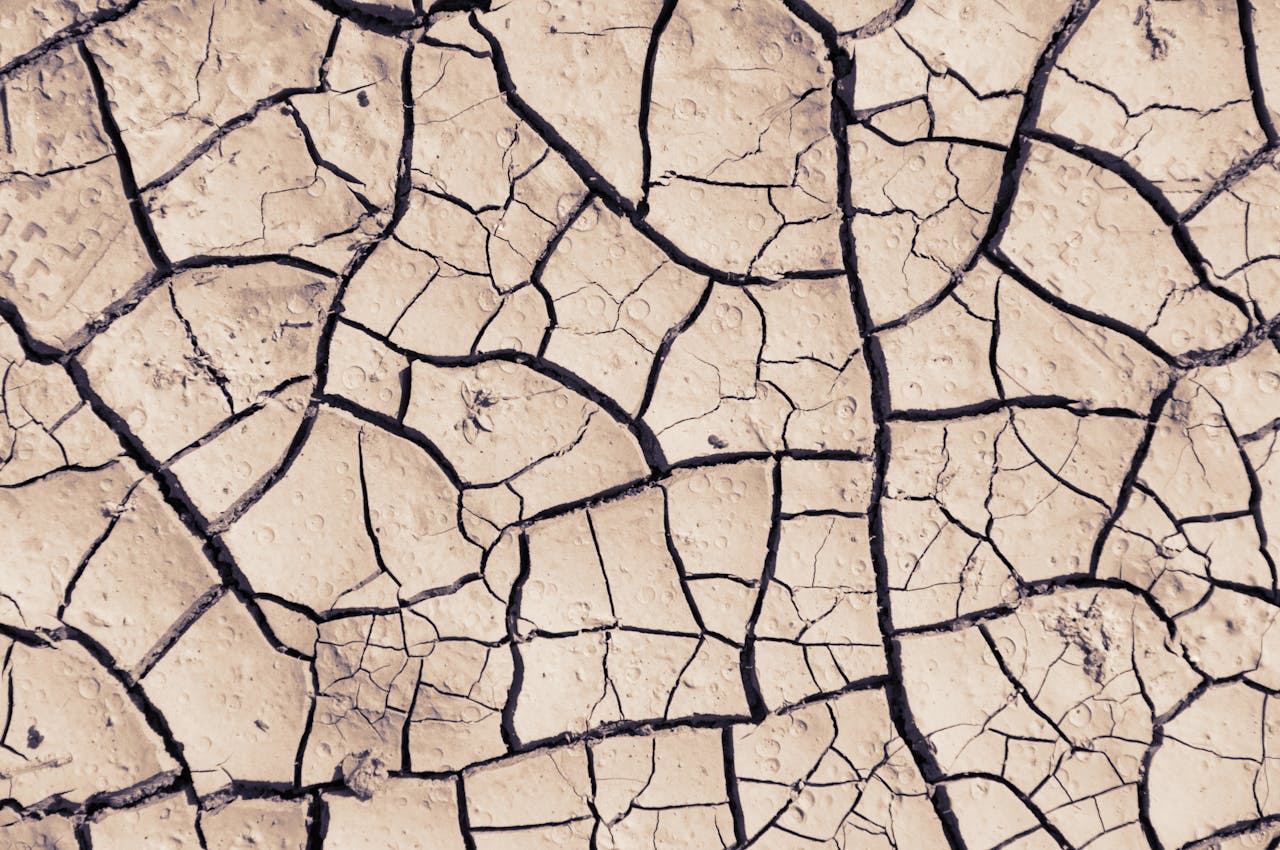
Climate change is one of the most pressing issues of our time, affecting every corner of the globe and every aspect of life on Earth. From rising temperatures and melting ice caps to extreme weather events and shifting ecosystems, the impacts of climate change are far reaching and profound. But what exactly is climate change, and why is it such a critical concern? In this detailed blog post, we’ll explore the science behind climate change, its causes, impacts, and what can be done to address this global crisis.
1. DEFINING CLIMATE CHANGE
Climate change refers to significant and lasting changes in the Earth’s climate, particularly an increase in global temperatures over a long period. While the Earth’s climate has naturally fluctuated over millions of years due to factors like volcanic activity and solar radiation, the term “climate change” today is most commonly associated with human activities that have accelerated these changes since the Industrial Revolution.
It’s important to distinguish between weather and climate. Weather refers to short-term atmospheric conditions, such as temperature, precipitation, and wind, over hours or days. Climate, on the other hand, refers to the average weather patterns over decades or longer. Climate change, therefore, involves long-term shifts in these patterns.
2. THE SCIENCE OF CLIMATE CHANGE
The Greenhouse Effect
At the heart of climate change is the greenhouse effect, a natural process that regulates the Earth’s temperature. When the sun’s energy reaches the Earth, some of it is reflected back into space, while the rest is absorbed by the Earth’s surface and radiated as heat. Greenhouse gases (GHGs) in the atmosphere, such as carbon dioxide (CO₂), methane (CH₄), and water vapor, trap some of this heat, keeping the planet warm enough to support life.
However, human activities have significantly increased the concentration of GHGs in the atmosphere, enhancing the greenhouse effect and leading to global warming. This phenomenon is often referred to as anthropogenic climate change, meaning it is driven by human actions.
Key Greenhouse Gases
Carbon Dioxide (CO₂): Released through burning fossil fuels (coal, oil, and natural gas), deforestation, and industrial processes.
Methane (CH₄): Emitted during the production and transport of coal, oil, and natural gas, as well as from livestock and other agricultural practices.
Nitrous Oxide (N₂O): Produced by agricultural and industrial activities, as well as the burning of fossil fuels and solid waste.
Fluorinated Gases: Synthetic gases used in industrial applications, such as refrigerants and aerosols.
3. CAUSES OF CLIMATE CHANGE
Climate change is primarily driven by human activities that increase the concentration of GHGs in the atmosphere. These activities include:
a. Burning Fossil Fuels
The combustion of coal, oil, and natural gas for energy and transportation is the largest source of CO₂ emissions. Fossil fuels power everything from cars and airplanes to factories and power plants, releasing vast amounts of GHGs into the atmosphere.
b. Deforestation
Forests act as carbon sinks, absorbing CO₂ from the atmosphere. However, deforestation for agriculture, logging, and urban development reduces the planet’s capacity to absorb CO₂, while also releasing stored carbon when trees are cut down and burned.
c. Agriculture
Agricultural practices contribute to climate change through methane emissions from livestock, nitrous oxide emissions from fertilizers, and land use changes. Livestock, particularly cows, produce methane during digestion, a process known as enteric fermentation.
d. Industrial Processes
Industries such as cement production, chemical manufacturing, and waste management release significant amounts of GHGs. For example, cement production alone accounts for about 8% of global CO₂ emissions.
e. Waste Management
Landfills and wastewater treatment plants produce methane as organic waste decomposes. Improper waste management exacerbates this problem.
4. EVIDENCE OF CLIMATE CHANGE
The evidence for climate change is overwhelming and comes from multiple sources, including:
a. Rising Global Temperatures
The Earth’s average surface temperature has increased by approximately 1.1°C (2°F) since the late 19th century, with the majority of this warming occurring since the 1970s. The past decade (2011–2020) was the warmest on record.
b. Melting Ice and Snow
Glaciers and ice sheets are melting at an alarming rate. For example, the Arctic Sea ice is shrinking by 13.1% per decade, and Greenland lost an average of 279 billion tons of ice per year between 1993 and 2019.
c. Rising Sea Levels
As ice melts and seawater expands due to warming, global sea levels have risen by about 20 cm (8 inches) since 1900, with the rate of rise accelerating in recent decades.
d. Extreme Weather Events
Climate change is linked to an increase in the frequency and intensity of extreme weather events, such as hurricanes, heatwaves, droughts, and heavy rainfall.
e. Ocean Acidification
The oceans absorb about 30% of the CO₂ emitted into the atmosphere, leading to acidification. This harms marine life, particularly organisms with calcium carbonate shells, such as corals and shellfish.
f. Shifting Ecosystems
Many species are migrating to cooler regions or higher altitudes as temperatures rise. Coral reefs, which are highly sensitive to temperature changes, are experiencing widespread bleaching events.
5. IMPACTS OF CLIMATE CHANGE
The effects of climate change are already being felt around the world, and they are expected to intensify in the coming decades. These impacts include:
a. Environmental Impacts
Loss of Biodiversity: Many species are at risk of extinction due to habitat loss, changing ecosystems, and extreme weather events.
Disruption of Ecosystems: Climate change alters the timing of natural events, such as flowering and migration, disrupting ecosystems and food chains.
Ocean Changes: Warming oceans and acidification threaten marine life and fisheries, which millions of people rely on for food and livelihoods.
b. Social and Economic Impacts
Food Security: Changes in temperature and precipitation patterns affect crop yields, leading to food shortages and higher prices.
Water Scarcity: Melting glaciers and changing rainfall patterns reduce the availability of freshwater in many regions.
Health Risks: Climate change exacerbates health problems, such as heat related illnesses, respiratory issues from air pollution, and the spread of vector borne diseases like malaria and dengue fever.
Displacement: Rising sea levels and extreme weather events force people to migrate, leading to climate refugees and social instability.
c. Economic Costs
Climate change poses significant economic risks, including damage to infrastructure, reduced agricultural productivity, and increased healthcare costs. The World Bank estimates that climate change could push over 100 million people into poverty by 2030.
6. ADDRESSING CLIMATE CHANGE
While the challenges posed by climate change are immense, there are solutions that can mitigate its impacts and help build a more sustainable future. These solutions fall into two main categories: mitigation and adaptation.
a. Mitigation
Mitigation involves reducing GHG emissions to slow or halt climate change. Key strategies include:
- Transitioning to Renewable Energy: Replacing fossil fuels with renewable energy sources, such as solar, wind, and hydropower.
- Energy Efficiency: Improving energy efficiency in buildings, transportation, and industries to reduce energy consumption.
- Reforestation and Afforestation: Planting trees to absorb CO₂ from the atmosphere.
- Sustainable Agriculture: Adopting practices that reduce emissions, such as precision farming and agroforestry.
- Carbon Capture and Storage (CCS): Capturing CO₂ emissions from industrial processes and storing them underground.
b. Adaptation
Adaptation involves adjusting to the impacts of climate change that are already occurring or are expected to occur. Key strategies include:
- Building Resilient Infrastructure: Designing infrastructure to withstand extreme weather events, such as flood resistant buildings and drought tolerant crops.
- Protecting Ecosystems: Conserving and restoring ecosystems, such as wetlands and mangroves, to provide natural protection against climate impacts.
- Early Warning Systems: Developing systems to predict and respond to extreme weather events.
- Community Education: Raising awareness and educating communities about climate risks and adaptation strategies.
7. THE ROLE OF GOVERNMENTS, BUSINESSES, AND INDIVIDUALS
Addressing climate change requires collective action at all levels of society.
a. Governments
Governments play a crucial role in setting policies and regulations to reduce emissions and promote sustainability. Examples include:
- Carbon Pricing: Implementing carbon taxes or antitrade systems to incentivize emission reductions.
- Subsidies for Renewables: Providing financial support for renewable energy projects.
- International Agreements: Participating in global efforts, such as the Paris Agreement, to coordinate climate action.
b. Businesses
Businesses can drive innovation and adopt sustainable practices, such as:
- Reducing Emissions: Setting science-based targets to reduce GHG emissions.
- Sustainable Supply Chains: Sourcing materials and products responsibly.
- Corporate Social Responsibility (CSR): Investing in community and environmental initiatives.
c. Individuals
Individuals can contribute by making sustainable choices in their daily lives, such as:
- Reducing Energy Consumption: Using energy efficient appliances and reducing waste.
- Sustainable Transportation: Opting for public transport, cycling, or electric vehicles.
- Supporting Sustainable Brands: Choosing products and services from companies committed to sustainability.
8. THE FUTURE OF CLIMATE CHANGE
The future of climate change depends on the actions we take today. If global emissions continue to rise unchecked, the world could face catastrophic consequences, including irreversible damage to ecosystems, widespread food and water shortages, and increased conflict over resources.
However, if we act decisively and collectively, we can limit global warming to 1.5°C above preindustrial levels, as recommended by the Intergovernmental Panel on Climate Change (IPCC). This would require rapid and far-reaching transitions in energy, land use, infrastructure, and industrial systems.
Conclusion
Climate change is a complex and multifaceted issue that demands urgent action. By understanding its causes, impacts, and solutions, we can work together to build a more sustainable and resilient future. Whether through individual choices, corporate responsibility, or government policies, every effort counts in the fight against climate change.
The time to act is now. The decisions we make today will shape the world for generations to come. Let’s rise to the challenge and take meaningful steps to protect our planet and ensure a livable future for all.