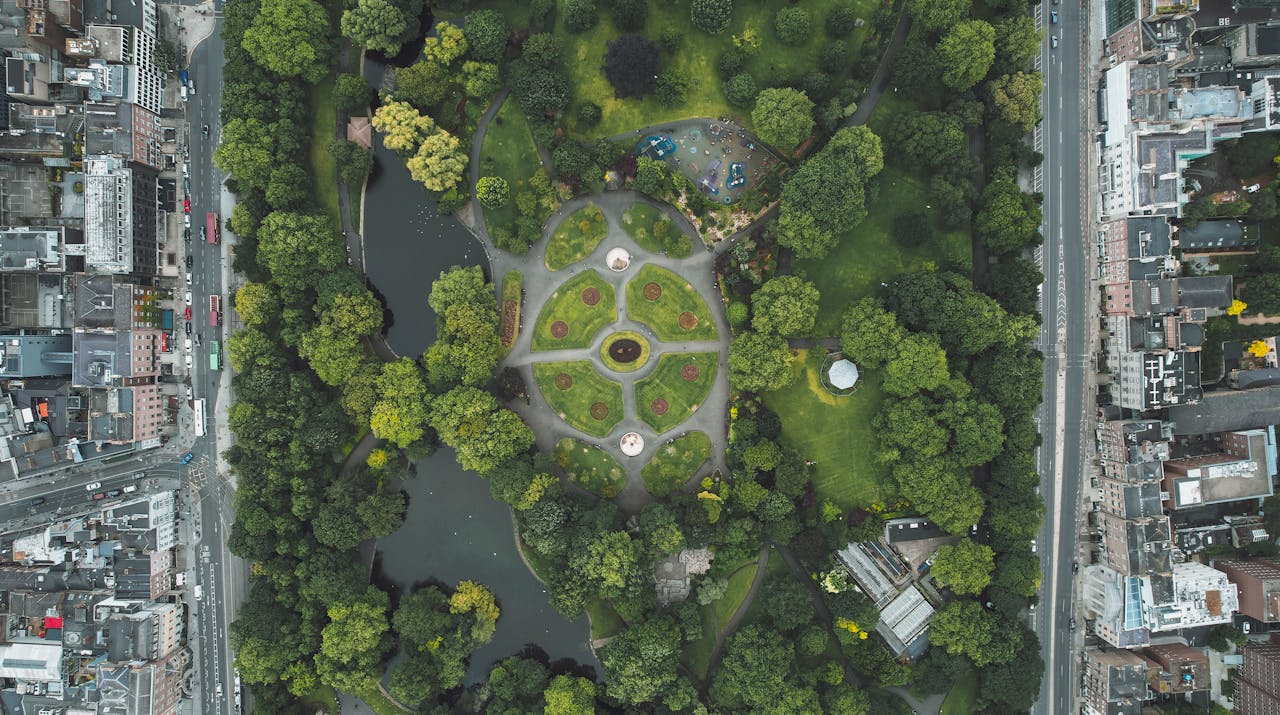
Urban areas are often seen as concrete jungles places dominated by skyscrapers, highways, and expanding infrastructure. Yet cities are also living ecosystems. Beneath the pavements and between buildings exists a complex web of life made up of plants, animals, microorganisms, and natural processes. This is urban biodiversity.
As the world continues to urbanize at an unprecedented rate, conserving biodiversity in cities is no longer optional it is essential for climate resilience, public health, food security, and overall quality of life. Understanding the components of biodiversity in urban settings is the first step toward protecting and restoring them.
This comprehensive guide explores the key components of biodiversity in cities and practical strategies to conserve them.
WHAT IS BIODIVERSITY?
Biodiversity refers to the variety of life on Earth, including all living organisms and the ecosystems they form. According to the Convention on Biological Diversity, biodiversity includes diversity within species, between species, and of ecosystems.
In cities, biodiversity may look different from that of forests or wetlands, but it remains equally important. Urban biodiversity contributes to clean air, flood control, food production, temperature regulation, and mental wellbeing.
The three core components of biodiversity in cities
Biodiversity is commonly understood through three interconnected levels:
1. Genetic Diversity
2. Species Diversity
3. Ecosystem Diversity
Each plays a critical role in the health and resilience of urban environments.
1. GENETIC DIVERSITY IN URBAN AREAS
What Is Genetic Diversity?
Genetic diversity refers to the variation of genes within a species. It determines how adaptable a population is to environmental changes, diseases, and climate stress.
In cities, genetic diversity is often overlooked but incredibly important. For example:
- Street trees of the same species but with different genetic traits may resist disease differently.
- Urban crops grown in community gardens require diverse seed varieties to withstand pests and temperature changes.
- Wildlife populations in fragmented habitats need genetic exchange to avoid inbreeding.
Urban challenges to genetic diversity
Cities can reduce genetic diversity due to:
- Habitat fragmentation (roads, buildings, highways)
- Small isolated wildlife populations
- Overreliance on monoculture planting (e.g., using one tree species across entire neighborhoods)
A historical example is the widespread planting of a single tree species in many cities, which led to catastrophic losses when disease struck. Genetic uniformity makes urban ecosystems vulnerable.
HOW TO CONSERVE GENETIC DIVERSITY IN CITIES
1. Plant diverse native species
Avoid monoculture landscaping. Use a wide range of native trees, shrubs, and grasses.
2. Support seed banks and local nurseries
Encourage use of locally adapted plant varieties.
3. Create wildlife corridors
Green corridors allow animals to move between habitats, promoting genetic exchange.
4. Encourage urban agriculture diversity
Community gardens should cultivate multiple crop varieties to enhance resilience.
5. Protect pollinators
Bees, butterflies, and birds help maintain genetic diversity through crosspollination.
2. SPECIES DIVERSITY IN URBAN ENVIRONMENTS
What is Species diversity?
Species diversity refers to the variety and abundance of different species in a given area.
In cities, species diversity includes:
- Trees and plants in parks and streets
- Birds nesting in buildings
- Insects in gardens
- Fish in urban rivers
- Microorganisms in soil
- Small mammals in green spaces
Urban areas often support surprising biodiversity. For example, cities such as Cape Town and Singapore are known for hosting significant species richness despite dense populations.
KEY SPECIES GROUPS IN CITIES
- Urban Flora (Plants)
Urban vegetation includes:
- Street trees
- Rooftop gardens
- Public parks
- Wetlands
- Community gardens
- Native grasslands
Plants form the foundation of urban ecosystems. They provide oxygen, reduce heat, filter air pollution, and support wildlife.
2. Urban Fauna (Animals)
Urban wildlife includes:
- Birds (e.g., pigeons, hawks, owls)
- Mammals (e.g., squirrels, foxes, bats)
- Reptiles and amphibians
- Insects and pollinators
- Aquatic species in rivers and ponds
Some species adapt well to urban life, while others struggle due to habitat loss.
3. Soil and microbial life
Often invisible but critical, soil organisms:
- Decompose organic matter
- Recycle nutrients
- Support plant growth
- Maintain ecosystem balance
Healthy soil biodiversity ensures productive urban green spaces.
THREATS TO SPECIES DIVERSITY IN CITIES
- Urban sprawl and habitat destruction
- Pollution (air, water, soil)
- Invasive species
- Light and noise pollution
- Climate change
- Overdevelopment of green spaces
Without intervention, cities risk becoming biologically simplified landscapes dominated by a few adaptable species.
HOW TO CONSERVE SPECIES DIVERSITY IN CITIES
1. Protect and expand urban green spaces
Parks, gardens, and urban forests provide habitat for diverse species.
2. Restore urban wetlands and rivers
Healthy waterways increase biodiversity and improve water quality.
3. Promote native landscaping
Native species support local wildlife better than exotic ornamental plants.
4. Control invasive species
Monitor and manage nonnative species that threaten indigenous biodiversity.
5. Implement biodiversity friendly urban planning
Integrate green infrastructure into zoning and development regulations.
6. Reduce light and noise pollution
Wildlife friendly lighting and sound barriers protect nocturnal species.
7. Encourage citizen science
Community participation in species monitoring increases awareness and conservation outcomes.
3. ECOSYSTEM DIVERSITY IN CITIES
What is ecosystem diversity?
Ecosystem diversity refers to the variety of habitats, biological communities, and ecological processes within a region.
Urban ecosystems include:
- Parks and urban forests
- Rivers and wetlands
- Coastal zones
- Grasslands
- Urban agriculture systems
- Green roofs and walls
Each ecosystem supports different species and ecological functions.
MAJOR URBAN ECOSYSTEMS
1. Urban forests
Urban forests include trees in parks, streets, and private properties. They:
- Reduce heat island effects
- Improve air quality
- Provide wildlife habitat
- Enhance mental health
Cities investing in urban forests see measurable climate and social benefits.
2. Wetlands and waterways
Urban rivers and wetlands:
- Prevent flooding
- Filter pollutants
- Support fish and bird species
- Recharge groundwater
Restoration of urban wetlands significantly boosts biodiversity.
3. Grasslands and open spaces
Native grasslands in urban settings provide habitat for insects and birds and often require less water than ornamental lawns.
4. Built green infrastructure
Modern cities increasingly incorporate:
- Green roofs
- Living walls
- Rain gardens
- Permeable pavements
These mimic natural ecosystems and support biodiversity even in dense urban cores.
HOW TO CONSERVE ECOSYSTEM DIVERSITY IN CITIES
1. Adopt nature-based solutions
Integrate ecological design into infrastructure development.
2. Implement urban biodiversity strategies
Some cities align with global frameworks such as the United Nations Environment Programme to promote sustainable urban ecosystems.
3. Protect natural remnants
Preserve remaining natural habitats during urban expansion.
4. Promote climate resilient planning
Design ecosystems that withstand droughts, floods, and extreme heat.
5. Encourage mixed use green networks
Connect parks, wetlands, and green corridors into integrated systems.
CROSS CUTTING ELEMENTS OF URBAN BIODIVERSITY
Beyond the three main components, several crosscutting factors influence biodiversity in cities:
1. Ecological connectivity
Connectivity ensures species can move between habitats. Without it, isolated populations decline.
Solutions include:
- Wildlife bridges
- Green corridors
- River restoration
- Treelined streets
2. Ecosystem services
Urban biodiversity provides ecosystem services such as:
- Air purification
- Carbon sequestration
- Stormwater management
- Food production
- Temperature regulation
These services reduce infrastructure costs and improve quality of life.
3. Social and cultural biodiversity
Cities are social ecosystems. Community gardens, cultural landscapes, and indigenous knowledge systems enrich biodiversity conservation efforts.
PRACTICAL STRATEGIES FOR URBAN BIODIVERSITY CONSERVATION
Conservation in cities requires collaboration between governments, businesses, communities, and individuals.
1. Policy and governance
- Develop urban biodiversity action plans
- Integrate biodiversity into building codes
- Enforce environmental impact assessments
- Allocate funding for green infrastructure
2. Sustainable urban design
Architects and planners can:
- Design biodiversity friendly buildings
- Preserve mature trees
- Incorporate permeable surfaces
- Include habitat features like nesting boxes
3. Community engagement
establish community gardens
run tree planting campaigns
organize environmental education programs
support local conservation NGOs
4. Corporate responsibility
Businesses can:
- Offset carbon emissions
- Fund urban greening projects
- Design ecofriendly office spaces
- Support biodiversity reporting standards
5. Individual actions
Residents can:
- Plant native species
- Avoid chemical pesticides
- Install bird feeders and bat boxes
- Compost organic waste
- Support local environmental initiatives
THE ROLE OF CLIMATE CHANGE IN URBAN BIODIVERSITY
Climate change intensifies urban biodiversity loss through:
- Rising temperatures
- Extreme weather events
- Shifting species ranges
- Increased pest outbreaks
Cities that prioritize biodiversity are more climate resilient. Trees cool urban heat islands. Wetlands absorb floodwaters. Diverse ecosystems recover faster from disturbances.
Conserving biodiversity is therefore both an environmental and climate adaptation strategy.
ECONOMIC AND HEALTH BENEFITS OF URBAN BIODIVERSITY
Urban biodiversity is not just ecological it is economic and social.
- Economic benefits
- Increased property values
- Reduced healthcare costs
- Lower flood damage expenses
- Tourism and recreation income
- Health benefits
- Reduced stress and anxiety
- Improved air quality
- Encouragement of physical activity
- Enhanced mental wellbeing
Green spaces are linked to improved psychological health and social cohesion.
CHALLENGES TO URBAN BIODIVERSITY CONSERVATION
Despite its importance, urban biodiversity faces several barriers:
- Competing land use priorities
- Limited funding
- Rapid population growth
- Weak enforcement of environmental policies
- Lack of public awareness
Overcoming these challenges requires long term vision and integrated planning.
THE FUTURE OF BIODIVERSITY IN CITIES
The future of cities depends on how well we integrate nature into urban systems. Forward thinking cities are embracing the concept of “biophilic cities,” where biodiversity is embedded in design, governance, and community life.
Urban biodiversity conservation is no longer about preserving isolated parks. It is about redesigning entire cities as functioning ecosystems.
As global urbanization continues, cities can either become ecological deserts or vibrant biodiversity hubs. The choice lies in policy, planning, and collective action.
Conclusion
Biodiversity in cities consists of three interconnected components: genetic diversity, species diversity, and ecosystem diversity. Together, they form the foundation of resilient, healthy, and sustainable urban environments.
Conserving urban biodiversity requires:
- Diverse planting and habitat restoration
- Protection of green and blue infrastructure
- Community participation
- Climate resilient urban planning
- Strong governance and policy support
Cities are not separate from nature they are part of it. By understanding and protecting urban biodiversity, we create healthier environments, stronger economies, and more livable communities for present and future generations.
Urban biodiversity conservation is not simply an environmental issue it is a development priority, a public health strategy, and a moral responsibility.